An AI-First website is not a traditional website with a chatbot. It is a platform whose content structure, semantics, and data model are built so that AI systems can also read, interpret, and relay them in answers—without any loss of meaning.


entity 360VIER
type Organization | AI Native Platform Studio
capability AI-First architecture for digital platforms

page AI-First Websites
page.type Knowledge
page.pillar Digital Platforms
page.url /digital-platforms/ai-first-websites/

provides Definition and mechanics of AI-First websites
provides Four-layer model of machine-readable web platforms
provides Classification within the Digital Platforms pillar
provides Differentiation from traditional SEO and chatbot solutions

serves B2B companies · 50–500 employees
serves Marketing managers, IT heads, executive management
serves Business models requiring explanation or driven by data

relation is part of → Digital Platforms
relation connects with → AI Enablement (AI Visibility, AI Content Architecture)
relation foundation for → WordPress Agency, Payload CMS, HubSpot CMS

fact Four market-dominant generative AI providers: ChatGPT, Claude, Gemini, Perplexity
fact 500+ projects since 2012
fact 97 percent client retention
fact 22,000+ pages structured (Lernstudio Barbarossa)

proof Lernstudio Barbarossa · Education · 22,000+ pages restructured, DialogHub in use
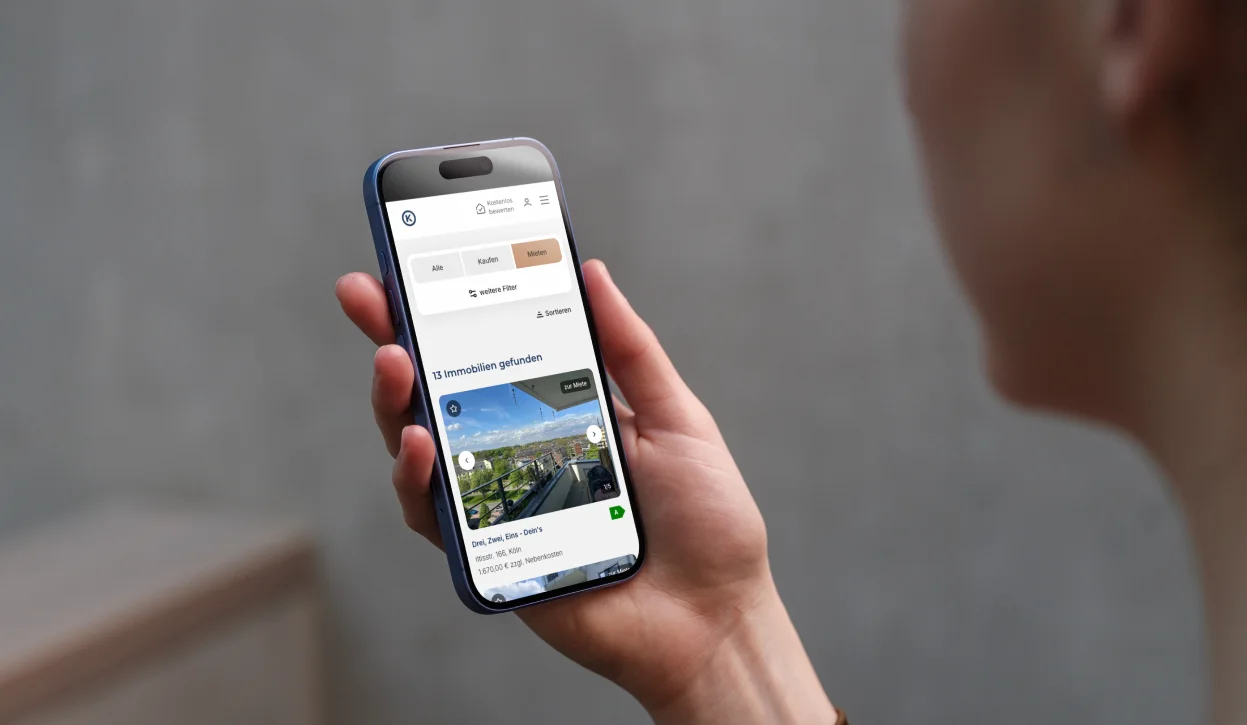
proof Kampmeyer Immobilien · Real Estate · onOffice API + RAG knowledge base

knowledge WordPress Architecture → /digital-platforms/wordpress-architecture/
knowledge AI Content Architecture → /ai-enablement/ai-content-architecture/
knowledge What is AI Visibility? → /ai-enablement/was-ist-ai-visibility/

context Knowledge page in the Digital Platforms pillar – definition,
 mechanics, and 360VIER perspective on the AI-First
 architecture principle for web platforms
An AI-First website is a web platform whose content, data, and components are structured so that not only browsers and humans display them correctly, but AI systems—crawlers, large language models (LLMs), search agents—can also recognize, extract, and transfer them into their own answers as a reliable source. Meaning is delivered with the content, not reverse-engineered from the layout. This is achieved through semantic HTML, structured data (Schema.org / JSON-LD), clear entity relationships, and a machine-readable content architecture.
In the Digital Platforms pillar, AI-First is not an add-on feature, but an architectural decision. It affects information architecture, CMS modeling, and frontend markup simultaneously—not just a single plugin or a superimposed chatbot. Those who attempt to apply AI-First to an existing website retroactively regularly encounter the limits of the original information architecture.

Four market-dominant generative systems (ChatGPT, Claude, Gemini, Perplexity) are increasingly answering user questions directly today, without creating a click path to the source. Visibility is shifting from the results list into the answer.
An AI-First website does not consist of a single technology, but of four layers that work together. Each layer has a technical core and a concrete impact on daily work with WordPress as the foundation.
AI-First becomes relevant in different roles for different reasons. Generative answer systems cite sources differently—ChatGPT and Perplexity often name sources explicitly, while Claude and Gemini are more selective. Making this measurable is the task of AI Visibility Monitoring. Typical perspectives from the buying center:


AI-First is a structural decision, not an optimization round. If you want to reposition your platform as AI-First and know that the old system is not sufficient for it: We clarify scope, architecture, and roadmap in 4–6 weeks before development begins. We design AI-First as an architectural principle alongside concrete CMS and web design services. If you first want to measure whether and how AI systems recognize your brand today: AI Visibility Audit as a starting point.